
Optimal Timing for Tree Trimming
Tree trimmings are an essential part of tree maintenance that promotes healthy growth and enhances the appearance of trees. Proper timing ensures that trimming is effective and minimizes stress on the tree. The best time to perform tree trimmings depends on the species and local climate conditions, but generally, late winter to early spring is ideal for most deciduous trees. This timing allows wounds to heal before the active growing season begins.
Late winter or early spring is recommended for most trees to promote healthy growth and reduce disease risk.
Trimming during peak growing seasons can stress trees; it is best to avoid late spring and summer.
Winter trimming minimizes sap loss and allows for clear visibility of branches, reducing the risk of improper cuts.
Fruit trees are best trimmed during their dormant period to maximize fruit production and health.
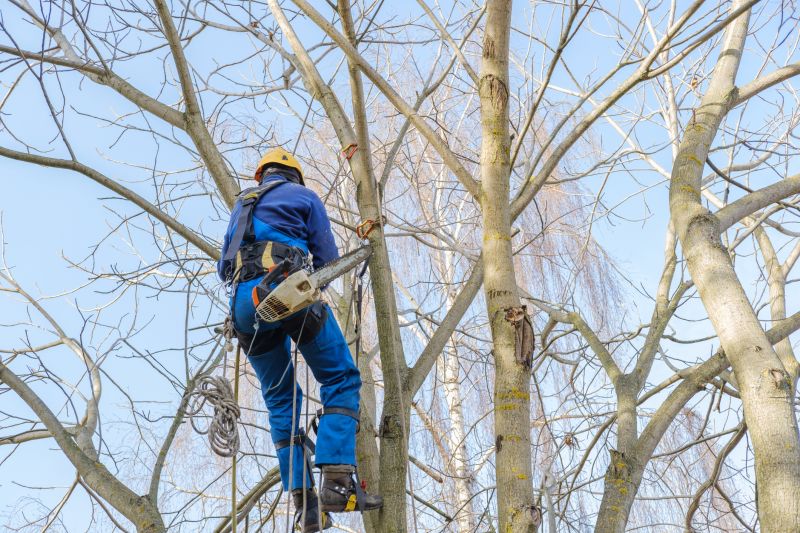
Image of a worker trimming a large tree during winter.
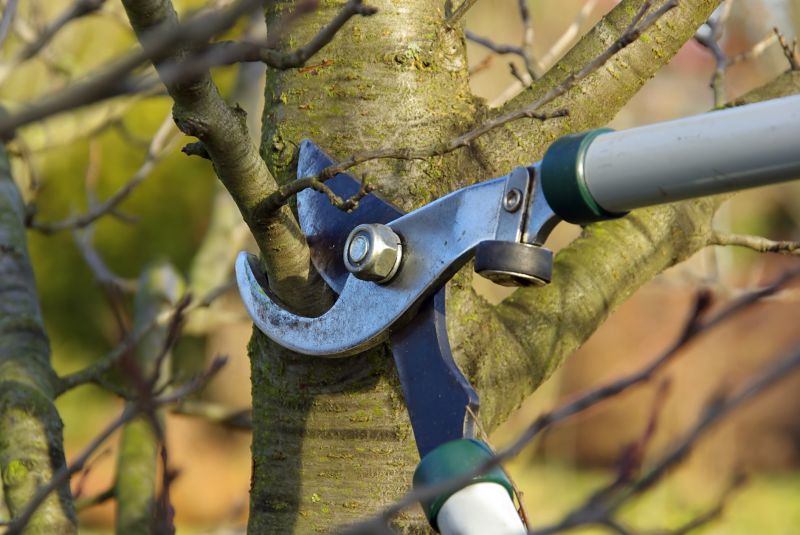
Image of pruning in early spring to prepare for new growth.
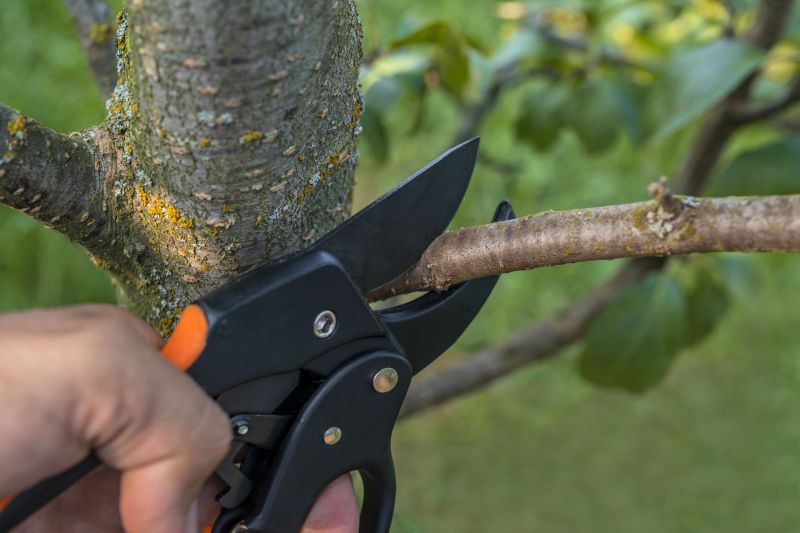
Image of light trimming during summer for shape and health.
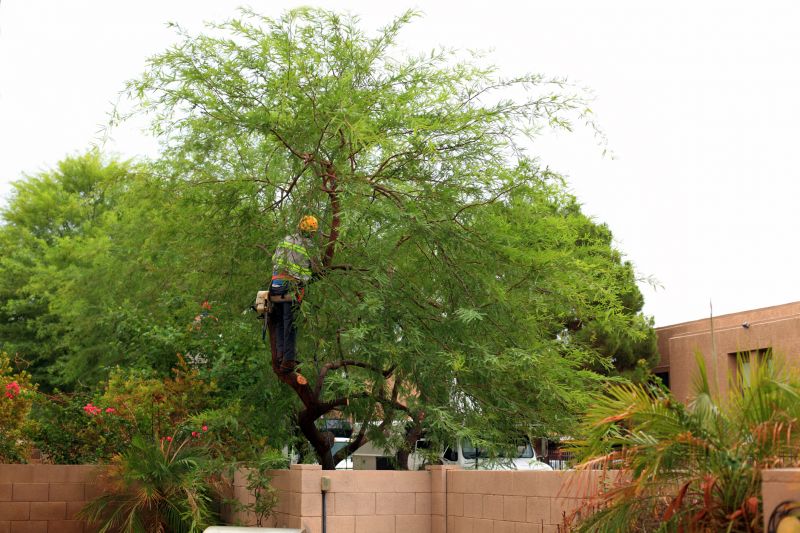
Ways to make Tree Trimmings work in tight or awkward layouts.
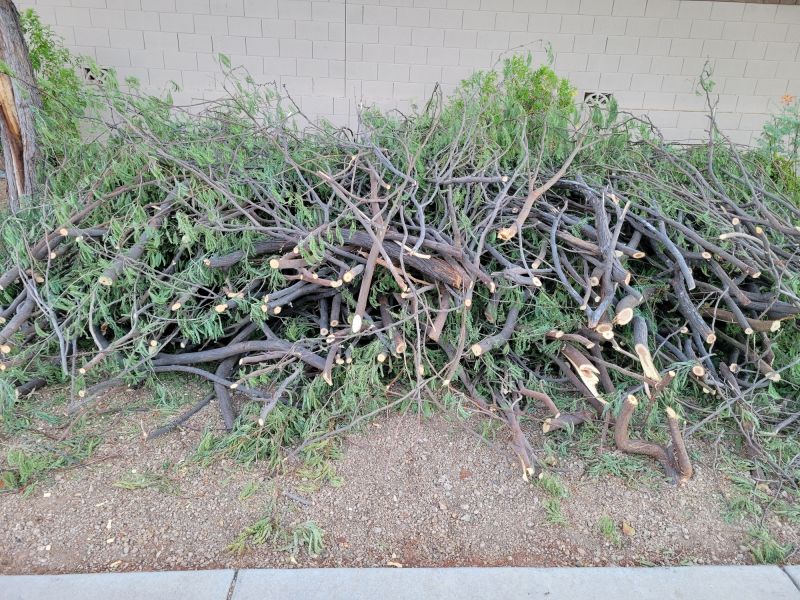
Popular materials for Tree Trimmings and why they hold up over time.
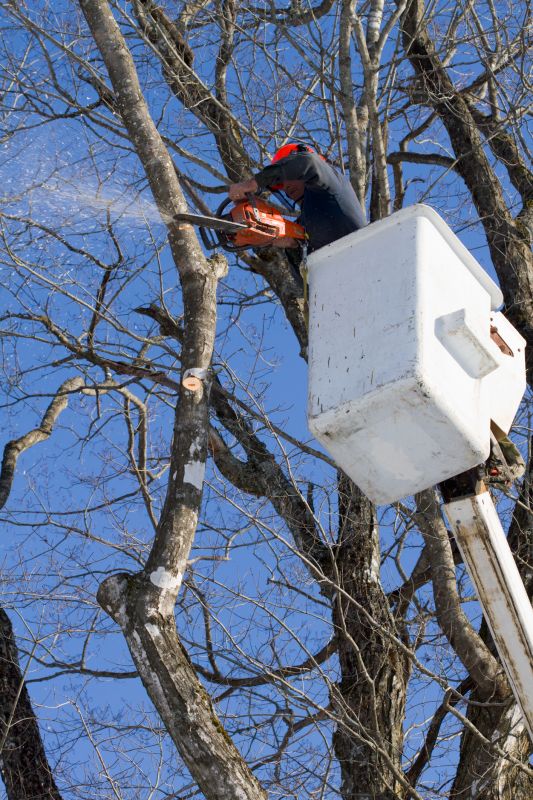
Simple add-ons that improve Tree Trimmings without blowing the budget.
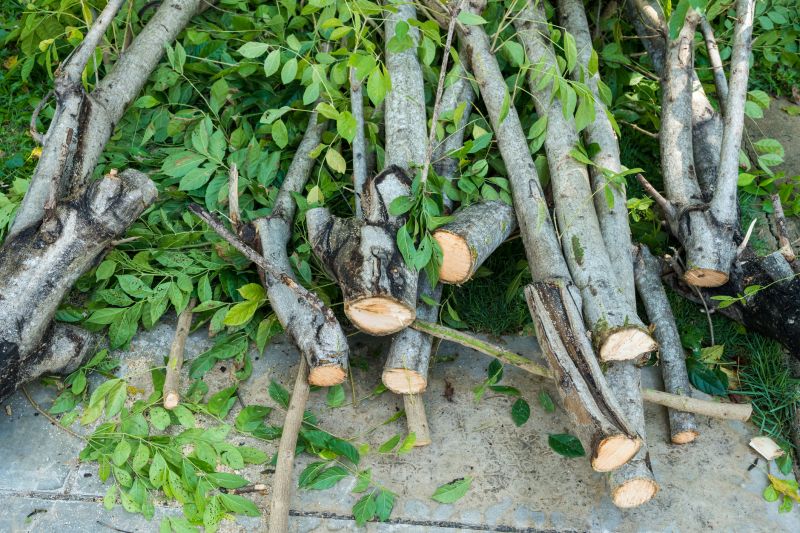
High-end options that actually feel worth it for Tree Trimmings.

Finishes and colors that play nicely with Tree Trimmings.
| Tree Type | Best Trimming Time |
|---|---|
| Deciduous Trees | Late winter to early spring |
| Fruit Trees | Dormant season, late winter |
| Evergreen Trees | Early spring or late fall |
| Maple Trees | Late winter |
| Oak Trees | Late winter or early spring |
| Pine Trees | Late winter |
| Cedar Trees | Late winter |
| Magnolia Trees | Late winter |
Proper timing of tree trimmings can improve tree health, encourage vigorous growth, and maintain aesthetic appeal. Trimming at the appropriate time reduces the risk of pest infestation and disease transmission. It also helps in maintaining the structural integrity of the tree, preventing potential hazards caused by dead or weak branches.
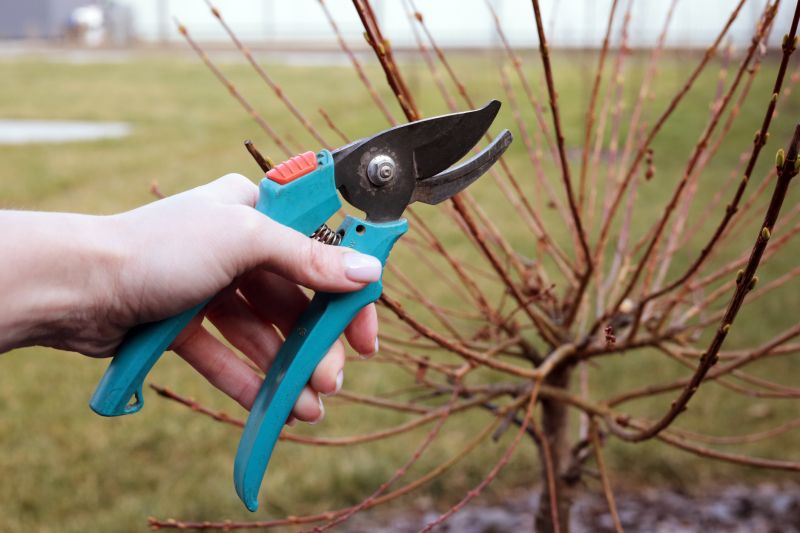
Image of pruning shears and saws used for tree trimming.
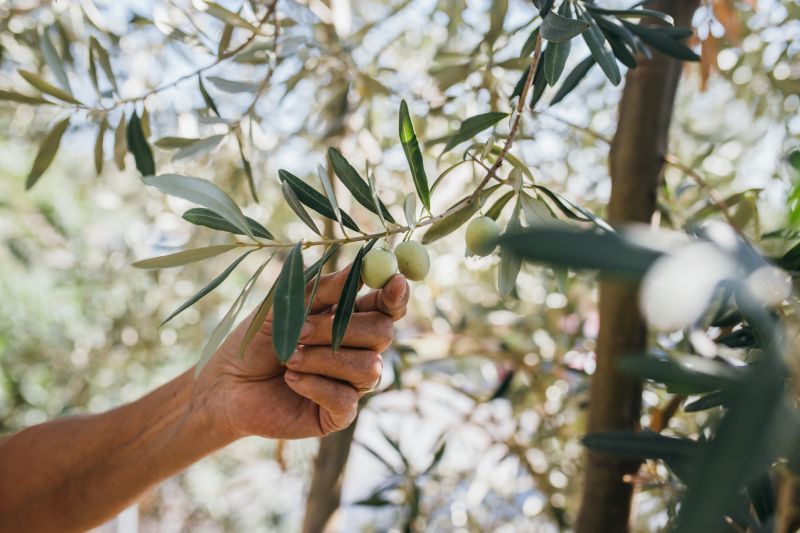
Close-up of well-maintained, trimmed branches.
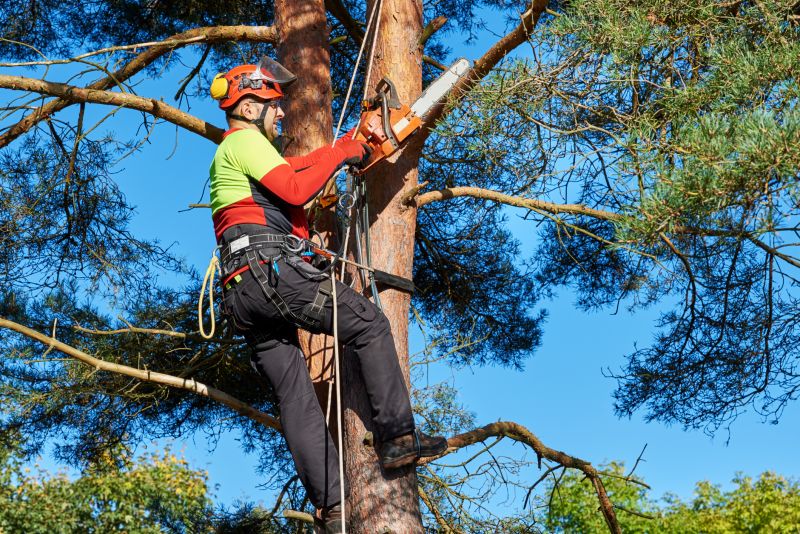
Image of professional trimming equipment in use.
Comparison images showing the impact of trimming.
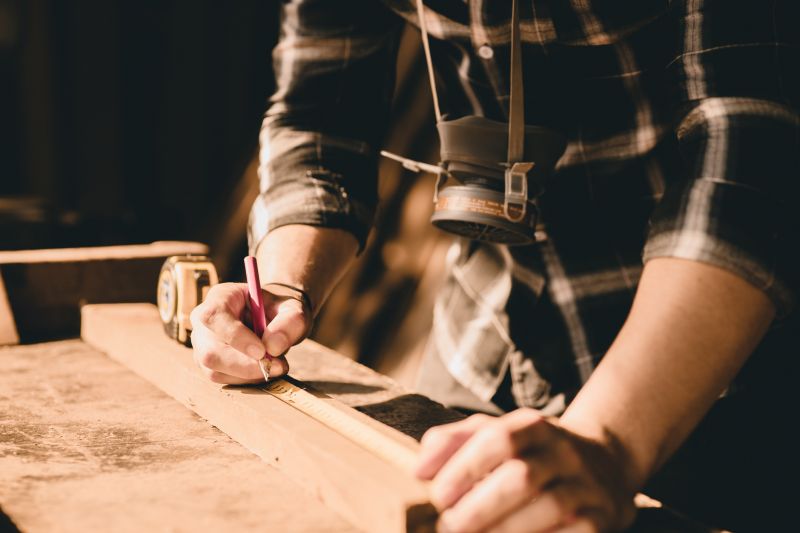
Little measurements that prevent headaches on Tree Trimmings day.
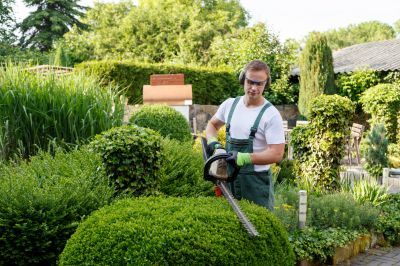
A 60-second routine that keeps Tree Trimmings looking new.
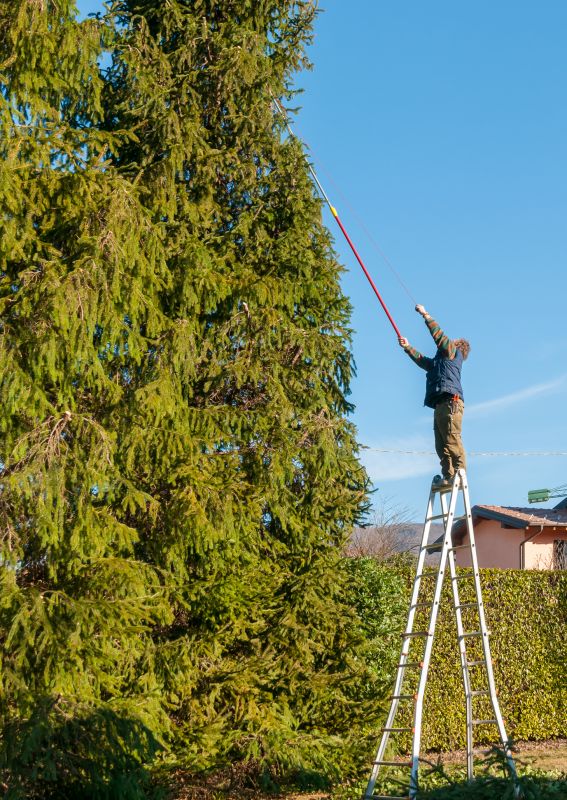
A frequent mistake in Tree Trimmings and how to dodge it.

Small tweaks to make Tree Trimmings safer and easier to use.
Interested in scheduling tree trimmings? Filling out the contact form provides an opportunity to discuss specific needs and scheduling options for maintaining healthy, well-shaped trees in Redwood City, CA.